What Are Handwriting Difficulties?
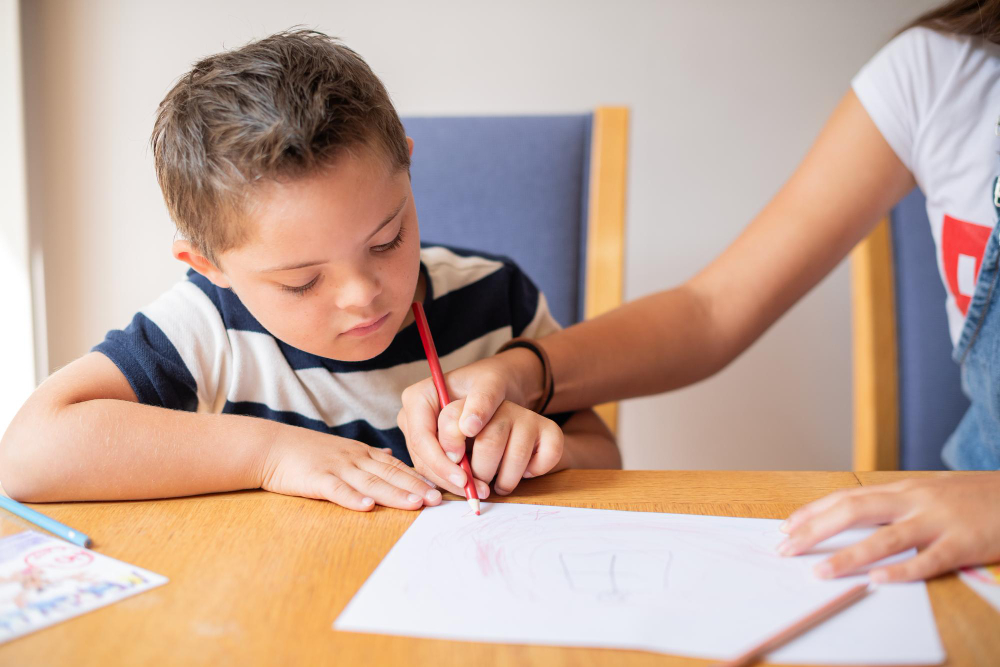
Many children face handwriting difficulties at some point. These challenges can make writing slow, messy, or hard to read. While some kids improve with practice, others may need extra support. For example, handwriting problems can affect schoolwork and self-confidence. Because writing is a key skill, noticing early signs is important. Handwriting difficulties can include trouble forming letters, holding a pencil, or keeping words on the line. Although these issues are common, they can sometimes signal a need for help.
Common Signs of Handwriting Difficulties in Children
Parents often wonder what to look for. Early signs of handwriting problems in children can show up in many ways. Noticing these signs early can help your child get the support they need.
Sometimes, children may also complain about hand pain. Because these signs can affect learning, it is helpful to watch for them at home and school.
Possible Causes of Handwriting Problems
Handwriting difficulties can have many causes. For instance, some children have trouble with fine motor skills. These are the small movements needed to control a pencil. In other cases, vision problems can make it hard to see lines or letters. Sometimes, learning differences like dysgraphia play a role. Dysgraphia is a condition that affects writing ability. Additionally, attention issues or lack of practice can also lead to handwriting challenges. According to the CDC, early detection of developmental delays is important for better outcomes.
How Handwriting Difficulties Are Diagnosed
When handwriting problems last longer than expected, a professional assessment can help. Usually, teachers or parents notice the signs first. After that, a doctor or occupational therapist may evaluate the child. They look at writing samples, observe pencil grip, and check fine motor skills. Sometimes, vision and hearing tests are also done. Because each child is unique, the assessment may include several steps. Early diagnosis can help children get the right support for handwriting difficulties.
Support Strategies and Interventions
There are many ways to help kids with handwriting challenges. Support for handwriting difficulties often starts with simple changes. For example, teachers may give extra time for writing tasks. Occupational therapy can help improve fine motor skills. Some children benefit from special pencils or grips. In addition, using lined paper or larger writing spaces can make writing easier. Practice with tracing or copying letters can also help. Because every child is different, support plans should fit their needs.
Tips for Parents to Help at Home
Parents play a key role in helping kids with handwriting challenges. While professional help is important, small changes at home can make a big difference.
Because practice helps, try to make writing activities enjoyable. Over time, these tips can support your child’s progress.
When to Seek Professional Help
Sometimes, extra support is needed. If your child shows ongoing signs of handwriting problems, it may be time to talk to a doctor or occupational therapist. For instance, if writing is much harder for your child than for others their age, professional advice can help. Additionally, if your child avoids writing or feels upset about it, early help is important. According to experts, starting support early can improve skills and confidence. Because each child develops at their own pace, trust your instincts and seek help when needed. Consult Sairam Praxis Child Development Centre for personalised solutions for your child’s special needs.