
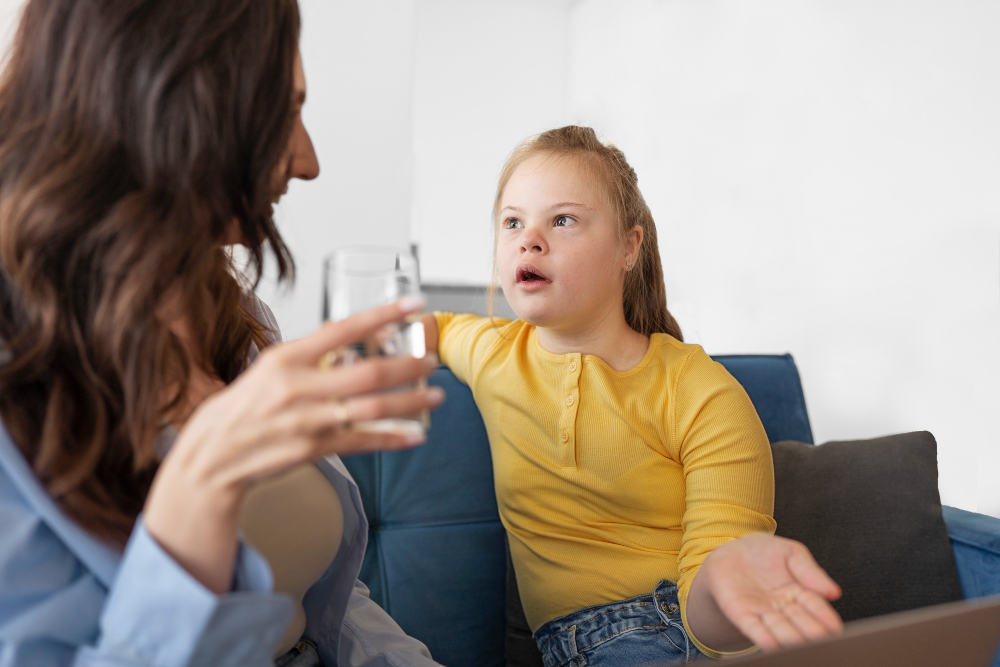
Understanding Communication Challenges in Autism
Many children with autism face communication challenges in autism that affect their daily lives. Autism is a condition that changes how the brain works. Because of this, people with autism often find it hard to talk, listen, or use body language. For example, some may not speak at all, while others may repeat words or phrases. Even so, every child is unique and may show different signs.
Common symptoms and signs related to communication include:
Because these signs can vary, it is important to watch for changes in how a child communicates. Early support can make a big difference.
Causes of Communication Challenges in Autism
While the exact cause of autism is not fully known, experts agree that brain development plays a key role. For instance, differences in how the brain processes sounds, sights, and touch can affect speech and understanding. According to the CDC, genetics and environment may both influence these changes. As a result, children with autism may find it hard to connect words with feelings or actions.
In addition, some children may be more sensitive to noise or light. This can make it even harder to focus on talking or listening. Because every child is different, the reasons for communication challenges can also vary from one person to another.
How Therapy Addresses Communication Challenges
Therapy can help children with autism improve their communication skills. Many families choose autism communication therapy, which uses proven methods to support speech and language. For example, speech therapy for autism teaches children how to use words, gestures, and pictures to share their needs. Occupational therapy helps children learn daily skills, like taking turns or making eye contact. Behavioral therapy, such as Applied Behavior Analysis (ABA), uses rewards to encourage helpful communication.
Because each child is unique, therapists set goals based on the child’s needs. These goals may include:
With regular therapy, many children make steady progress. Over time, they may feel more confident when talking to others.
Tips for Supporting Communication at Home and in the Community
Families and caregivers play a big part in improving communication in autistic children. Even small changes at home or in the community can help. For instance, using clear and simple language makes it easier for children to understand. In addition, giving children time to respond can lower stress and boost confidence.
Because every child is different, it helps to try different tips and see what works best.
Prevention and Early Intervention
Early diagnosis and intervention are key in helping children with communication challenges in autism. According to the World Health Organization, starting therapy early can lead to better outcomes. For example, children who begin therapy before age three often make more progress in speech and social skills.
When parents or caregivers notice signs of communication delays, it is important to talk to a doctor or specialist. Early therapy can help children learn to express their needs and connect with others. Over time, these skills can improve their quality of life at home, school, and in the community.