What Are Visual Learning Skills?
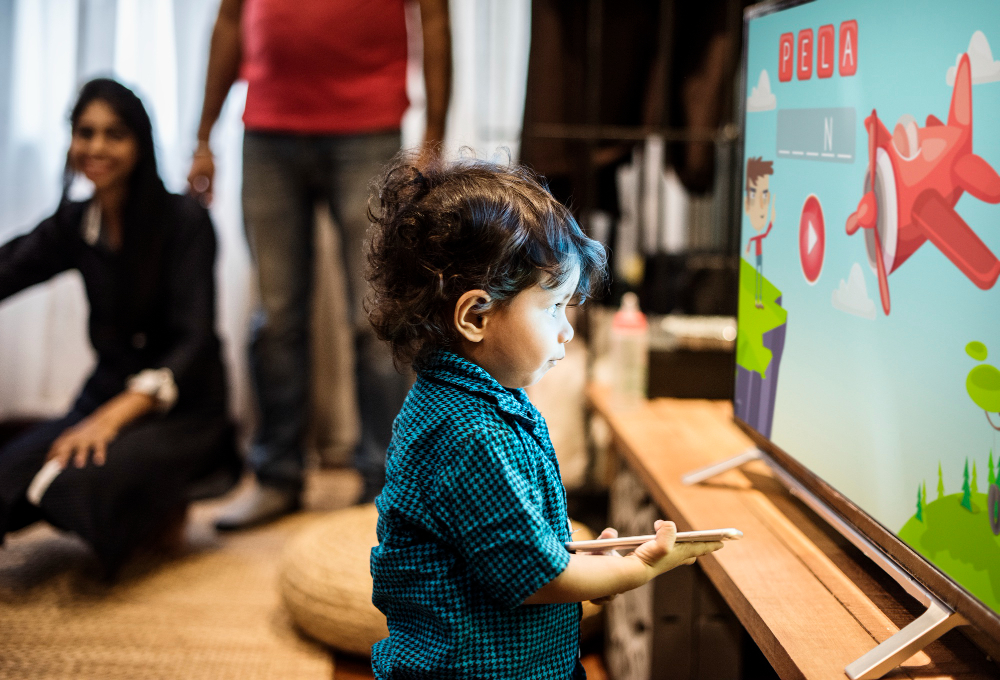
Visual learning skills are the abilities that help children understand and remember information by seeing it. For example, kids use these skills when they look at pictures, read charts, or watch videos. In fact, many children learn best when they see things. Because of this, visual learning skills play a big role in child visual learning development. These skills include noticing shapes, colors, patterns, and even how things are arranged on a page. As children grow, their visual learning skills often get stronger. However, some kids may need extra help to build these skills.
Why Are Visual Learning Skills Important for Children?
Visual learning skills are important because they help children make sense of the world. For instance, kids use these skills to read, write, and solve problems. When children have strong visual learning abilities, they can:
Moreover, visual learning strategies for kids can boost school success. According to the CDC, children who use visual tools often do better in reading and math. Because of this, parents and teachers should pay attention to how children use their eyes to learn.
Key Signs of Strong Visual Learning Abilities
Some children show strong visual learning skills early on. For example, they may enjoy drawing, building with blocks, or solving puzzles. Here are some signs that a child has good visual learning abilities:
However, every child is different. Some may show these signs later as they grow.
Factors That Influence Visual Learning in Children
Many things can affect how children develop visual learning skills. For instance, age and brain development play a big part. Additionally, a child’s health, vision, and even sleep habits can make a difference. According to the World Health Organization, good nutrition and regular eye checks support healthy learning. Furthermore, the environment matters. Children who see books, art, and colors at home often build stronger visual skills. On the other hand, lack of exposure may slow development.
How to Support and Improve Visual Learning Skills at Home
Parents can help children improve visual learning skills in simple ways. For example, you can:
In addition, ask your child to describe what they see. This helps them think about visual details. If you want to know how to improve visual learning in children, start with these easy steps at home.
Common Challenges and When to Seek Help
Sometimes, children struggle with visual learning. For example, they may have trouble remembering what they see or following visual directions. Other signs include:
Because these issues may point to vision or learning problems, it is important to talk to a doctor or eye specialist. Early help can make a big difference. The CDC recommends regular eye exams for all children.
Evidence-Based Strategies for Parents and Educators
There are many proven ways to support child visual learning development. For instance, experts suggest using visual aids like charts, pictures, and videos in lessons. Additionally, breaking tasks into small steps with visual guides can help. Here are more evidence-based strategies:
According to research in peer-reviewed medical journals, these methods can boost learning and confidence. With the right support, children can build strong visual learning skills for life.
Book your appointment today for expert care and guidance at Sairam Praxis Child Development Centre