
Introduction
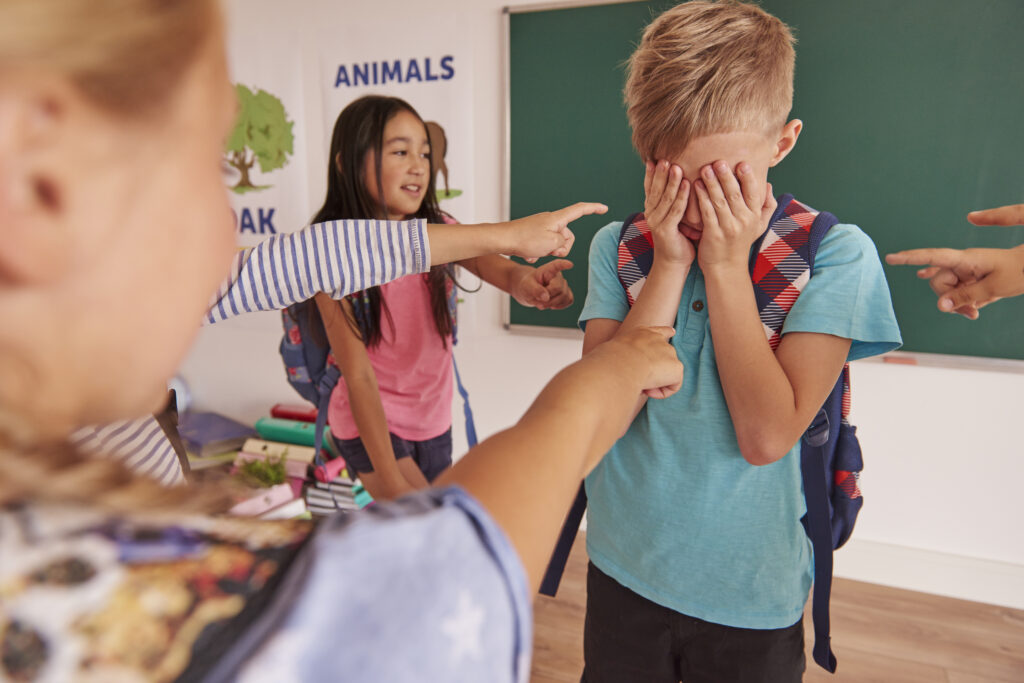
Behavioral challenges at school can affect many children. These challenges include actions or habits that disrupt learning or social life. For example, a child may have trouble following rules or getting along with others. As a result, school behavior problems can impact grades, friendships, and self-esteem. Early support for students with behavioral challenges is important. When parents and teachers work together, children often do better in class and feel more confident.
Common Symptoms and Signs
It is important to spot signs of child behavior issues in the classroom early. Some children may show only a few symptoms, while others may have many. For instance, you might notice:
Sometimes, these behaviors happen only at school. Other times, they may also appear at home or in other places.
Potential Causes and Risk Factors
Many things can lead to behavioral challenges at school. However, not every child with these risk factors will have problems. Some common causes include:
Additionally, a family history of behavior issues can increase risk. Early support can help reduce these risks.
How Behavioral Challenges are Diagnosed in School Settings
Schools use several steps to understand and diagnose behavioral challenges. First, teachers may observe the child in class. Next, they often talk with parents about what they see. Sometimes, schools use checklists or rating scales to track behaviors. In some cases, a school counselor or psychologist may meet with the child. They may also ask for input from other staff. After gathering information, the team works together to decide if the child needs extra help or support.
Evidence-Based Treatment and Management Strategies
Managing disruptive behavior in students often requires a team approach. Many strategies have been shown to help, including:
Sometimes, therapy or counseling outside of school may also help. According to the CDC, early intervention can make a big difference.
Tips for Parents and Teachers
Both parents and teachers play a key role in helping children with behavioral challenges at school. Here are some practical tips:
For example, a daily chart or reward system can motivate children to follow rules.
Prevention and Early Intervention
Preventing school behavior problems is possible in many cases. Early action is key. For instance, teaching social skills in early grades can help. Also, schools can create safe, welcoming spaces for all students. When children feel supported, they are less likely to act out. Regular check-ins with students can catch problems before they grow. Parents can also talk with teachers often to spot early warning signs.
When to Seek Professional Help
Sometimes, behavioral challenges at school do not improve with basic strategies. If a child’s behavior is severe, lasts for weeks, or affects learning, it may be time to seek help. Signs to watch for include:
In these cases, a specialist or mental health professional can offer more guidance.
Conclusion and Call-to-Action
In summary, behavioral challenges at school are common and can often be effectively managed with early intervention, structured support, and collaboration between parents, teachers, and specialists. With the right guidance, children can improve their behavior, confidence, and academic performance.
If you notice persistent behavioral concerns in your child, don’t delay seeking support. Consult Sairam Praxis Child Development Centre for personalized evaluation and expert guidance tailored to your child’s developmental and behavioral needs.