What Are Speech and Language Development Programs?
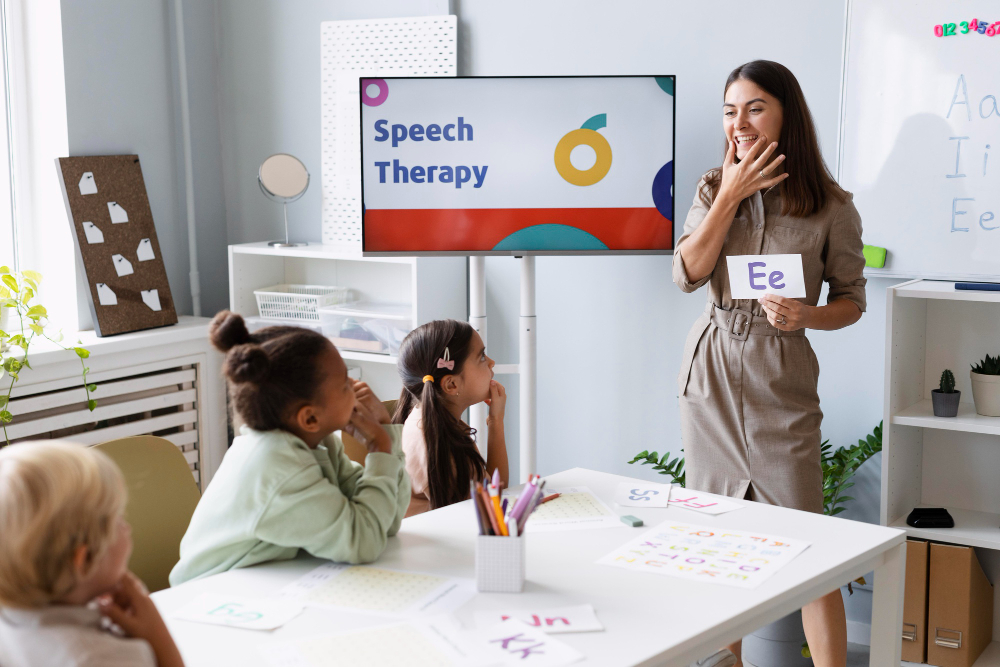
Speech and language development programs help children learn to talk and understand language. These programs are designed for kids who may have trouble speaking, listening, or using words. Often, pediatric speech therapy programs use fun activities to teach children new skills. Early language intervention for children can make a big difference in their growth. Many parents and caregivers look for these programs when they notice their child is not meeting speech and language milestones.
Importance of Early Intervention in Pediatrics
Early intervention means getting help as soon as you notice a problem. For example, if a child is not talking as expected, starting therapy early can help them catch up. According to the CDC, early support can improve a child’s ability to communicate and learn. In fact, children who get help early often do better in school and social situations. Therefore, it is important to act quickly if you have concerns.
Common Signs of Speech and Language Delays
Many parents wonder what signs to look for. While every child grows at their own pace, some signs may show a delay. For instance, you might notice:
If you see these signs, it is wise to talk to your child’s doctor. Early language intervention for children can help address these issues.
How Speech and Language Development Programs Work
Speech and language development programs start with an assessment. A speech-language specialist will check your child’s skills. After that, they create a plan that fits your child’s needs. Sessions may happen one-on-one or in small groups. During therapy, children play games, sing songs, and practice talking. As a result, kids learn to use words, understand others, and express their needs. Progress is tracked over time, so parents can see improvements.
Types of Therapies and Interventions Available
There are several types of therapies for speech and language delays. Some common options include:
Each child’s plan may include one or more of these therapies. The goal is to help every child reach their speech and language milestones.
How to Access These Programs
Finding the right program may seem hard, but there are many resources. First, talk to your child’s doctor or pediatrician. They can refer you to a speech-language specialist. Next, check with your local hospital or children’s clinic. Many offer pediatric speech therapy programs. In addition, some schools provide early language intervention for children. You can also search online for local resources in your area. For example, look for “speech and language development programs near me.” Finally, ask other parents or support groups for recommendations.
Home Strategies and Parental Involvement
Parents play a big role in helping children develop speech and language skills. At home, you can:
With regular practice, children can improve their skills faster. Always celebrate small successes to boost your child’s confidence.
Prevention and Early Support Tips
While not all speech and language delays can be prevented, early support helps. Here are some tips:
Remember, early action can make a big difference in your child’s future success.
Conclusion
Speech and language development programs in pediatrics offer vital support for children with delays. Early intervention, the right therapies, and parental involvement can help your child reach important milestones. If you have concerns, Consult a speech-language specialist at Sairam Praxis Child Development Centre for personalized guidance on your child’s development. Schedule your consultation today!